Skip to content
  • Home
  • Programmes
  • Channel
  • Blog
  • Programme Schedule
  • Home
  • Programmes
  • Channel
  • Blog
  • Programme Schedule

Renewable Energy Revolution: How Nigeria Can End Gas Flaring & Power Its Future!

Gas flaring in Nigeria is a persistent environmental and economic crisis, but a renewable energy revolution offers a powerful solution. We dive deep into how adopting clean energy sources like ...solar, wind, and hydro can effectively curb gas flaring, reduce harmful emissions, and unlock Nigeria's massive energy potential. For decades, the burning of associated gas during oil extraction has poisoned the air, damaged ecosystems, and cost Nigeria billions in lost revenue. Communities in the Niger Delta suffer from severe health issues, including respiratory problems and increased cancer risks, while acid rain corrodes infrastructure and destroys agricultural land. This wasteful practice not only contributes significantly to global greenhouse gas emissions, particularly methane and carbon dioxide, but also deprives millions of Nigerians of reliable and affordable electricity.

The Nigerian government has set an ambitious target to end routine gas flaring by 2030, driven by initiatives like the Decade of Gas and the Nigerian Gas Flare Commercialisation Programme (NGFCP). However, despite these efforts, recent data from 2024 and early 2025 shows gas flaring levels remaining stubbornly high, with significant power generation potential lost. This underscores the urgent need for innovative and sustainable alternatives.

This is where renewable energy comes in. Imagine a Nigeria where the energy wasted from gas flaring is instead harnessed through solar microgrids for rural communities, wind farms powering industrial hubs, and hydro projects stabilizing the national grid. Renewable energy offers a multitude of benefits beyond just curbing flaring. It provides a pathway to energy security, reduces dependence on volatile fossil fuel markets, creates thousands of green jobs, and improves public health by reducing air pollution. Decentralized renewable projects can empower underserved regions, fostering local entrepreneurship and energy access.

We explore the challenges and opportunities in Nigeria's clean energy transition. What are the specific renewable energy technologies best suited for Nigeria's unique landscape? How can investment in these technologies be scaled up? We'll discuss successful case studies from around the world and innovative financing models that are driving green energy start-ups in Africa. From gas-to-power solutions that convert flared gas into electricity to the broader economic and social benefits of a robust renewable energy sector, this video uncovers the transformative power of clean energy.

Learn how policy reforms, technological advancements, and community engagement are crucial to achieving a gas flare-free Nigeria. Discover the critical role of sustainable development, climate action, and energy justice in this transition. Suppose you're interested in environmental sustainability, energy solutions, economic growth in Nigeria, or simply want to understand how renewable energy can tackle one of Africa's biggest environmental challenges. In that case, this video is for you. Join us in envisioning a cleaner, healthier, and more prosperous Nigeria powered by renewables. Don't miss out on these vital insights – subscribe for more compelling discussions on Africa's energy future!

Renewable Energy Revolution: How Nigeria Can End Gas Flaring & Power Its Future!

#renewableenergy #gasflaring #nigeria #cleanenergy #energytransition #sustainableenergy #climatesolutions #endgasflaring #nigeriadelta #powercrisis #greenjobs #climatechange #africarising #environmentaljustice
Show More
Renewable Energy Revolution: How Nigeria Can End Gas Flaring & Power Its Future!
Now Playing
Renewable Energy Revolution: How Nigeria Can End Gas Flaring & Power Its Future!
Gas flaring in Nigeria is a persistent environmental and economic ...
Gas flaring in Nigeria is a persistent environmental and economic crisis, but a renewable energy revolution offers a powerful solution. We dive deep into how adopting clean energy sources like ...solar, wind, and hydro can effectively curb gas flaring, reduce harmful emissions, and unlock Nigeria's massive energy potential. For decades, the burning of associated gas during oil extraction has poisoned the air, damaged ecosystems, and cost Nigeria billions in lost revenue. Communities in the Niger Delta suffer from severe health issues, including respiratory problems and increased cancer risks, while acid rain corrodes infrastructure and destroys agricultural land. This wasteful practice not only contributes significantly to global greenhouse gas emissions, particularly methane and carbon dioxide, but also deprives millions of Nigerians of reliable and affordable electricity.

The Nigerian government has set an ambitious target to end routine gas flaring by 2030, driven by initiatives like the Decade of Gas and the Nigerian Gas Flare Commercialisation Programme (NGFCP). However, despite these efforts, recent data from 2024 and early 2025 shows gas flaring levels remaining stubbornly high, with significant power generation potential lost. This underscores the urgent need for innovative and sustainable alternatives.

This is where renewable energy comes in. Imagine a Nigeria where the energy wasted from gas flaring is instead harnessed through solar microgrids for rural communities, wind farms powering industrial hubs, and hydro projects stabilizing the national grid. Renewable energy offers a multitude of benefits beyond just curbing flaring. It provides a pathway to energy security, reduces dependence on volatile fossil fuel markets, creates thousands of green jobs, and improves public health by reducing air pollution. Decentralized renewable projects can empower underserved regions, fostering local entrepreneurship and energy access.

We explore the challenges and opportunities in Nigeria's clean energy transition. What are the specific renewable energy technologies best suited for Nigeria's unique landscape? How can investment in these technologies be scaled up? We'll discuss successful case studies from around the world and innovative financing models that are driving green energy start-ups in Africa. From gas-to-power solutions that convert flared gas into electricity to the broader economic and social benefits of a robust renewable energy sector, this video uncovers the transformative power of clean energy.

Learn how policy reforms, technological advancements, and community engagement are crucial to achieving a gas flare-free Nigeria. Discover the critical role of sustainable development, climate action, and energy justice in this transition. Suppose you're interested in environmental sustainability, energy solutions, economic growth in Nigeria, or simply want to understand how renewable energy can tackle one of Africa's biggest environmental challenges. In that case, this video is for you. Join us in envisioning a cleaner, healthier, and more prosperous Nigeria powered by renewables. Don't miss out on these vital insights – subscribe for more compelling discussions on Africa's energy future!

Renewable Energy Revolution: How Nigeria Can End Gas Flaring & Power Its Future!

#renewableenergy #gasflaring #nigeria #cleanenergy #energytransition #sustainableenergy #climatesolutions #endgasflaring #nigeriadelta #powercrisis #greenjobs #climatechange #africarising #environmentaljustice
Show More
How Grassroots Elections Shape Economic Growth & Stability in Nigeria
Now Playing
How Grassroots Elections Shape Economic Growth & Stability in Nigeria
The recently concluded local government elections in Nigeria represent ...
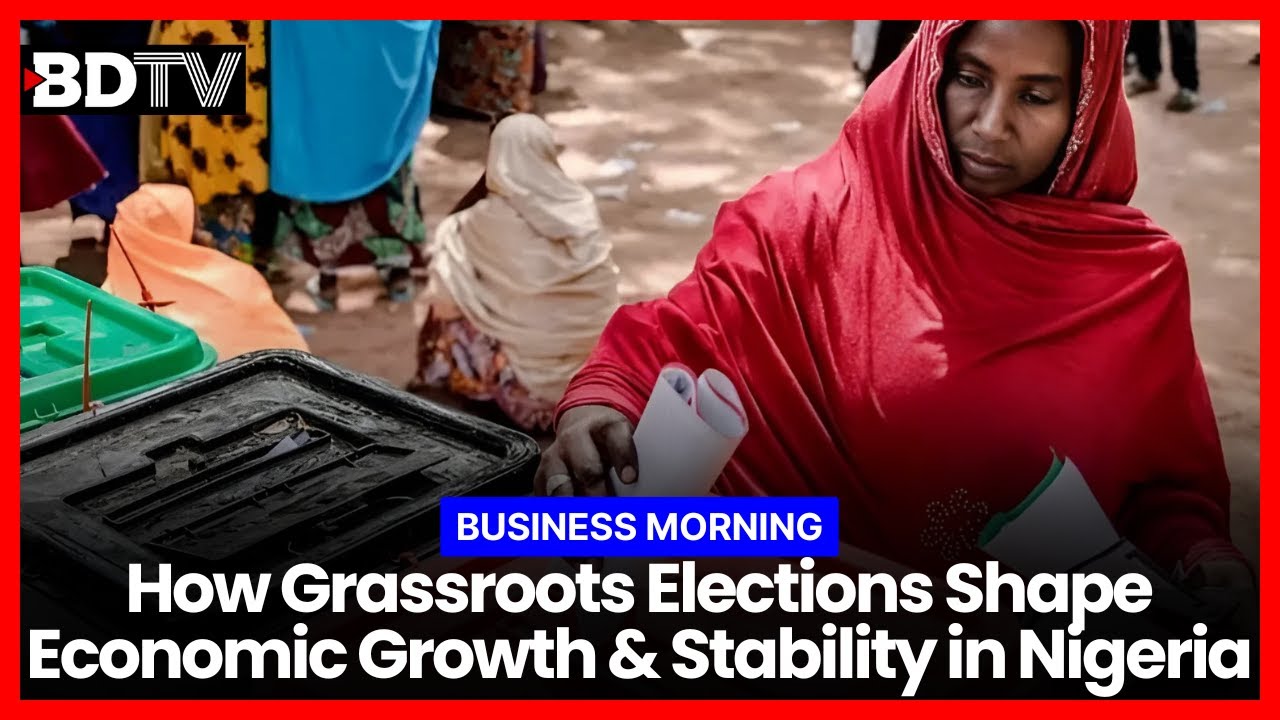
The recently concluded local government elections in Nigeria represent a pivotal moment for the nation's economic future. While national political discourse often dominates headlines, the true engine of sustainable development ...and economic stability lies within the grassroots – the local government areas. We dive deep into how the outcomes of these local polls, often overlooked, directly shape the economic landscape of Nigerian communities and, by extension, the entire nation. We explore the critical links between accountable local leadership and tangible economic benefits, from improved infrastructure to enhanced service delivery and local business empowerment.

Guest - Olusesan Okunade

Nigeria's 2025 local government elections are more than just a democratic exercise; they are a direct determinant of the quality of life and economic prosperity for millions of Nigerians. Local councils are the closest tier of government to the people, responsible for vital public services like primary healthcare, basic education, sanitation, and the development of local road networks. When democratically elected officials are truly representative and accountable, they prioritize the genuine needs of their constituents. This translates into more efficient allocation of resources, better implementation of local projects, and ultimately, a healthier and more productive workforce. Imagine a community where local roads are well-maintained, allowing farmers to transport their produce to markets efficiently, boosting agricultural output and income. Consider the impact of well-equipped primary healthcare centers reducing the burden of preventable diseases, thus increasing workforce productivity. These are direct economic dividends of effective grassroots governance.

Furthermore, these elections are crucial for fostering local economic development. Elected local governments have the power to initiate and oversee projects that stimulate local commerce, such as the construction of markets, support for small and medium-sized enterprises (SMEs), and the implementation of community-specific agricultural schemes. The ability of local leaders to identify unique economic opportunities within their areas and tailor policies to leverage them is paramount. For example, a local government in an agrarian community might invest in modern farming techniques or storage facilities, directly boosting the income of local farmers and creating a more stable food supply chain.

How Grassroots Elections Shape Economic Growth & Stability in Nigeria

A key challenge highlighted by the recent elections is the ongoing struggle for financial autonomy for local governments in Nigeria. Historically, state governments have exerted significant control over local government finances, often hindering their ability to effectively deliver services and drive local economic growth. The conversation around local government autonomy, spurred by recent judicial interventions, is critical. If local councils gain greater control over their internally generated revenues and allocations, it could unlock immense potential for sustained economic development at the grassroots. Transparency in financial management at this level is non-negotiable. Accountable elected officials are more likely to manage funds judiciously, directing them towards productive ventures that benefit the entire community rather than personal enrichment.

Beyond tangible projects, grassroots elections strengthen the very fabric of Nigeria's democracy. They are the frontline of citizen participation, fostering a sense of ownership and responsibility among community members. When citizens actively engage in the electoral process, demanding accountability from their leaders, it creates a virtuous cycle of good governance. This participatory democracy at the local level can also serve as a vital training ground for future leaders, equipping them with the experience and understanding necessary to tackle broader national economic challenges. The outcomes of these local polls are a barometer of citizen engagement and can signal the overall health of Nigeria's democratic institutions, which in turn influences investor confidence and long-term economic stability.

In conclusion, the impact of Nigeria's local government elections on economic stability and growth cannot be overstated. From improving basic services and stimulating local economies to fostering accountability and strengthening democratic foundations, these elections are fundamental to unlocking Nigeria's full economic potential. Understanding the intricate relationship between grassroots politics and economic development is crucial for policymakers, citizens, and investors alike as Nigeria navigates its path towards sustainable prosperity.

#news #nigeria #politics #elections
Show More
NNPC Refineries: Sell or Fix? Nigeria's Oil Future Hangs in the Balance!
Now Playing
NNPC Refineries: Sell or Fix? Nigeria's Oil Future Hangs in the Balance!
Nigeria stands at a critical crossroads regarding the future of its ...
Nigeria stands at a critical crossroads regarding the future of its state-owned refineries. For years, the Nigerian National Petroleum Company Limited (NNPC) has poured billions into rehabilitating these facilities, yet ...consistent performance remains an elusive dream. Now, with the NNPC's Group Chief Executive Officer, Bayo Ojulari, openly admitting that "sale is not off the table" and industry giants like Aliko Dangote expressing profound doubts about their revival, the debate intensifies: is it time to cut our losses and privatize, or should we push harder for rehabilitation?

This deep-dive analysis unpacks the monumental dilemma facing Nigeria's oil sector. We explore the staggering amounts of money already spent on refinery repairs, with little to no tangible results. From the Port Harcourt refinery's brief re-commissioning and subsequent shutdown to the persistent dormancy of the Warri and Kaduna refineries, we uncover the complex challenges hindering progress. Are these facilities truly beyond repair, as some experts suggest, or is there a path to profitability and self-sufficiency through continued public investment?

We delve into the compelling arguments for privatization, championed by organizations like the Manufacturers Association of Nigeria (MAN) and various petroleum marketers. They argue that private sector involvement can inject much-needed efficiency, competition, and innovation, freeing the government from a burdensome liability. Imagine a future where private operators transform these struggling assets into profitable ventures, reducing our dependence on imported fuel and stabilizing domestic prices. We also consider the potential risks and benefits of such a monumental shift.

Conversely, we examine the case for continued rehabilitation, looking at the potential economic and social implications of entirely divesting from these national assets. What are the long-term strategic benefits of maintaining state control over refining capacity, and what would it take to truly make these refineries work? We highlight the underlying issues of corruption, political interference, and outdated technology that have plagued the refineries for decades, and discuss whether the current administration has the political will to implement the radical reforms needed for success.

NNPC Refineries: Sell or Fix? Nigeria's Oil Future Hangs in the Balance!

This video is crucial for every Nigerian concerned about fuel availability, the economy, and the nation's energy independence. We break down the complex technical and financial realities, offering clear insights into what's truly at stake for Nigeria's oil future. Learn why this decision will shape our economic landscape for generations to come, impacting everything from petrol prices to job creation and our overall global standing in the oil and gas industry. Join us as we explore the path forward for Nigeria's refineries and its profound implications for every citizen.

#nnpc #dangote #dangoterefinery #refinery #oilandgas
Show More
Nigeria's Tax Revolution: Centralized Collection & The Future of Our Economy
Now Playing
Nigeria's Tax Revolution: Centralized Collection & The Future of Our Economy
Nigeria's bold leap towards a more efficient and equitable fiscal ...
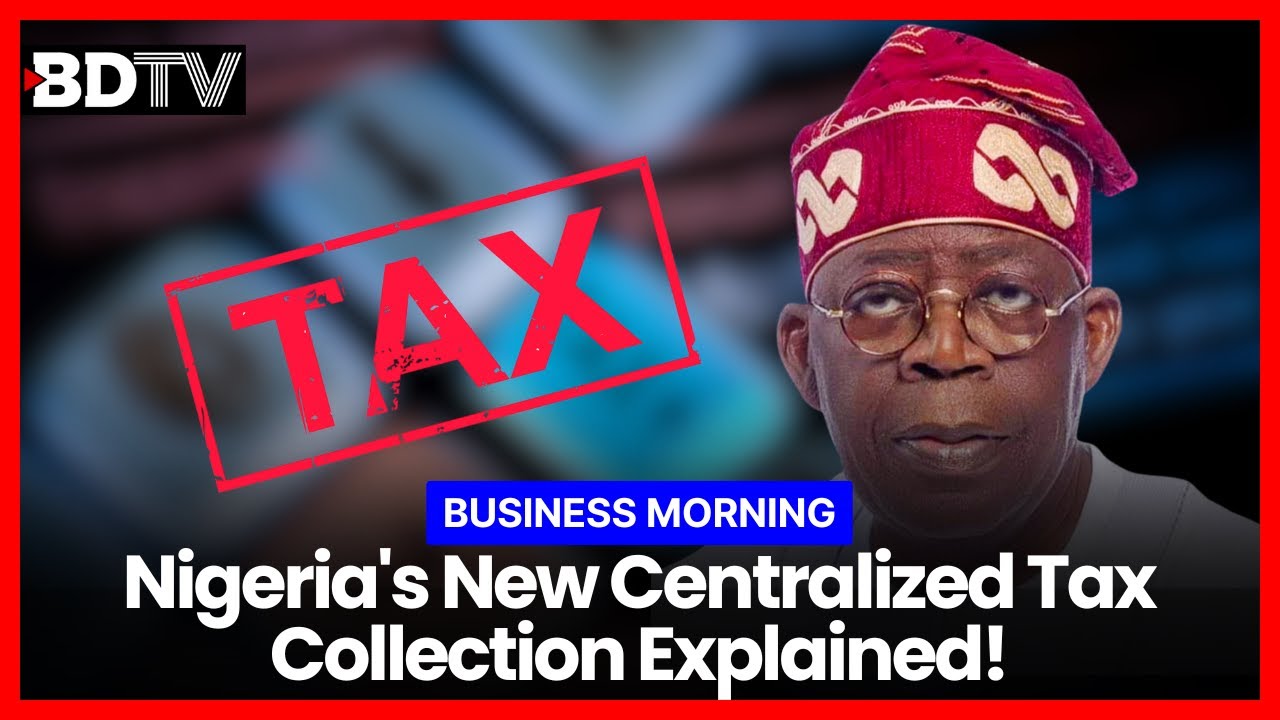
Nigeria's bold leap towards a more efficient and equitable fiscal future as we delve deep into the transformative potential of centralized tax collection. For years, Nigeria's fiscal policy architecture has ...grappled with the complexities of a fragmented tax system, characterized by multiple tax agencies, overlapping levies, and a persistent struggle to maximize revenue generation. This landscape has contributed to a low tax-to-GDP ratio, hindering national development and increasing dependence on volatile oil revenues. But a new era is dawning.

With the recent signing of the groundbreaking 2025 Tax Reform Bills into law, Nigeria is embarking on a pivotal journey to overhaul its entire taxation framework. These legislative acts, including the Nigeria Revenue Service (Establishment) Act, 2025, are designed to consolidate federal tax laws, streamline collection processes, and usher in an unprecedented level of transparency and accountability. Imagine a system where tax compliance is simplified, revenue leakage is minimized, and public funds are deployed with greater efficiency for national development. This is the promise of centralized tax collection.

We explore the immense prospects this reform holds for Nigeria's economic growth. Centralization means a unified approach to tax administration, reducing the administrative burden on businesses and individuals while expanding the tax base to capture segments previously outside the formal economy. The enhanced use of technology, including digital tax registration, VAT fiscalization, and e-invoicing, promises a more seamless and convenient tax experience. This isn't just about collecting more money; it's about building a robust, predictable, and investor-friendly tax environment that can attract domestic and foreign direct investment, fostering sustainable economic diversification.

Furthermore, we analyze how a centralized system can lead to improved public service delivery. With greater revenue mobilization and reduced collection costs, the government can invest more significantly in critical sectors like infrastructure development, healthcare, education, and social welfare programs. This shift can directly impact the lives of everyday Nigerians, leading to better roads, improved healthcare facilities, and enhanced educational opportunities. We also discuss how the establishment of the Nigeria Revenue Service (NRS) with enhanced autonomy and independent dispute resolution mechanisms, such as the Tax Ombud, can rebuild public trust and foster a culture of voluntary tax compliance.

However, no major reform comes without its challenges. We acknowledge the potential hurdles, including the complexities of implementation across different tiers of government, the need for sustained public education and engagement, and addressing the deep-seated public skepticism stemming from past inefficiencies and perceptions of corruption. The success of this fiscal transformation hinges on transparent governance, effective communication, and a clear demonstration of the tangible benefits of centralized tax collection for all citizens.

Nigeria's Tax Revolution: Centralized Collection & The Future of Our Economy

Join us as we dissect the intricacies of Nigeria's evolving fiscal policy, examining the mechanisms, benefits, and potential pitfalls of this ambitious centralized tax collection strategy. Understand how these reforms aim to create a more equitable, efficient, and prosperous Nigeria for generations to come. We delve into the implications for businesses, individuals, and the broader Nigerian economy, offering insights into what to expect as these changes take effect.

#tinubu #nigeria #tax #nigeriataxreform #centralizedtax #nigerianeconomy #taxpolicy #fiscalfuture #nigeriadevelopment #taxation #revenuegeneration #nigeriagov #economicreforms #taxcompliance #futureofnigeria #investinnigeria #publicfinance #taxprospects
Show More
Regulating crypto asset service providers in Nigeria.
Now Playing
Regulating crypto asset service providers in Nigeria.
Are you a crypto asset service provider (CASP) or an investor in ...
Are you a crypto asset service provider (CASP) or an investor in Nigeria, wondering how to navigate the rapidly evolving regulatory landscape? The year 2025 has ushered in a monumental ...shift, transforming how digital assets are viewed and managed within the Nigerian financial ecosystem. We delve deep into the core of these changes, empowering you with the essential knowledge to thrive in this new era of regulated cryptocurrency.

For years, the Nigerian crypto market operated in a legal grey area, leaving many Virtual Asset Service Providers (VASPs) and individual crypto enthusiasts uncertain. But that era is over. With the enactment of the Investment and Securities Act (ISA) 2025, cryptocurrencies and other digital assets are now officially classified as securities, bringing them squarely under the powerful oversight of the Securities and Exchange Commission (SEC) Nigeria. This landmark legislation provides much-needed legal clarity and a foundation for sustained growth.

So, what does this mean for you? If you're a crypto exchange, a wallet provider, a digital asset custodian, or a token issuer targeting the vibrant Nigerian market, SEC licensing is no longer optional – it's mandatory. We break down the intricate VASP license requirements, from incorporation in Nigeria and resident principal officers to registration with the Nigerian Financial Intelligence Unit (NFIU). Understanding the Accelerated Regulatory Incubation Program (ARIP) is crucial for aspiring fintech companies looking to enter this space, and we'll walk you through its phases and compliance obligations.

Regulating crypto asset service providers in Nigeria.

Beyond licensing, we explore the critical implications for anti-money laundering (AML) and combating the financing of terrorism (CFT). The new rules demand stringent KYC (Know Your Customer) protocols, continuous transaction monitoring, and robust risk assessment frameworks. We also shed light on the Central Bank of Nigeria (CBN)'s revised stance, explaining how banks can now interact with licensed crypto firms and the specific bank account guidelines for virtual asset transactions. No more relying solely on informal channels; the path to mainstream financial integration is opening up, albeit with strict adherence to CBN directives.

For individual crypto investors in Nigeria, understanding your responsibilities is paramount. We cover the evolving crypto tax regulations, including capital gains tax and potential income tax implications for your crypto earnings. Learn how to maintain accurate records and ensure tax compliance to avoid penalties. We also discuss the heightened focus on investor protection through the expanded Investor Protection Fund (IPF), offering a safety net for those engaging with SEC-regulated platforms.

The Nigerian crypto market continues to show immense potential, with Bitcoin remaining a dominant force and the introduction of the local cNGN stablecoin. We discuss how these market trends are shaped by the new regulations, the continued importance of peer-to-peer (P2P) trading in certain contexts, and the ongoing appeal of crypto airdrops as a means of acquisition.

Join us as we decode the complexities of regulating crypto asset service providers in Nigeria. This comprehensive guide is designed to equip you with the latest insights into Nigerian crypto laws 2025, empowering you to make informed decisions, ensure regulatory compliance, and unlock the full potential of the digital asset economy in Nigeria. Stay ahead of the curve, protect your assets, and contribute to a secure and thriving Nigerian crypto ecosystem

#nigeria #cypto #cryptocurrency #NigeriaCryptoLaw #VASPNigeria #SECNigeria #CryptoRegulation #DigitalAssetsNigeria #BitcoinNigeria #cNGN #CryptoCompliance #NigerianFintech #BlockchainNigeria
Show More
Credit Expert WARNS: Poor Borrowing Could DESTROY Your Business! (Avoid These Mistakes)
Now Playing
Credit Expert WARNS: Poor Borrowing Could DESTROY Your Business! (Avoid These Mistakes)
Are you a business owner in Nigeria struggling to navigate the complex ...
Are you a business owner in Nigeria struggling to navigate the complex world of credit and borrowing? we uncover the critical dangers of bad business credit and how common borrowing ...mistakes can lead to financial ruin. Whether you're a small business owner seeking a business loan, managing business debt, or trying to improve your business credit score, this video is your essential guide.

Learn how to build strong business credit, understand the pitfalls of high-interest loans, and discover strategies for debt management that can safeguard your company. We'll dive deep into topics like credit utilization, credit reporting for businesses, SBA loans, lines of credit, and the crucial steps to avoid bankruptcy. Our expert shares actionable advice on responsible borrowing, cash flow management, and financial planning for businesses to ensure your longevity.

In this must-watch breakdown, we delve deep into the common borrowing mistakes Nigerian entrepreneurs make. We're talking about everything from failing to conduct proper credit checks before lending or borrowing, to not having clear debt collection procedures in place. Are you aware of how crucial a strong credit score is for your business in Nigeria? We explain how your financial reputation can open or close doors to vital funding, impacting interest rates and loan approvals. Learn why a bad credit history, often caused by shifting between loan apps and leaving unpaid debts, acts as a "business passport" that can prevent future access to the capital you desperately need for expansion and operations.

Discover practical strategies to avoid falling into the bad debt trap that has hindered countless Nigerian businesses. We'll show you how to set realistic credit limits, define clear payment terms with your debtors, and implement efficient invoicing practices. Understanding your customer's payment cycles is critical, and we provide tips on how to use this knowledge to your advantage. We also explore the importance of thoroughly documenting all transactions and chasing payments immediately when they become overdue. For those already in debt, we discuss negotiation strategies with creditors and the importance of disciplined repayment plans, especially when dealing with dynamic interest rates.

This is more than just a warning; it's a comprehensive guide to building financial resilience for your Nigerian business. We highlight the role of credit bureaus like FirstCentral Credit Bureau, CreditRegistry, and CRC Credit Bureau in Nigeria, and how you can leverage them to understand and improve your business's creditworthiness. We empower you with the knowledge to make informed financial decisions, secure better loan terms, and ensure sustainable growth. Don't let poor borrowing practices sink your dreams. Equip yourself with the right information and strategies to protect your business, expand your operations, and thrive in Nigeria's dynamic economic landscape.

#nigeria #business #loans #businesscredit #debtmanagement #nigerianeconomy #financialtips #businessgrowth #debt #financialliteracy #businessfinance
Show More
Why Electricity Subsidies Hit 10 Year High despite tariff hike
Now Playing
Why Electricity Subsidies Hit 10 Year High despite tariff hike
Are you wondering why Nigeria's electricity subsidies have hit a ...
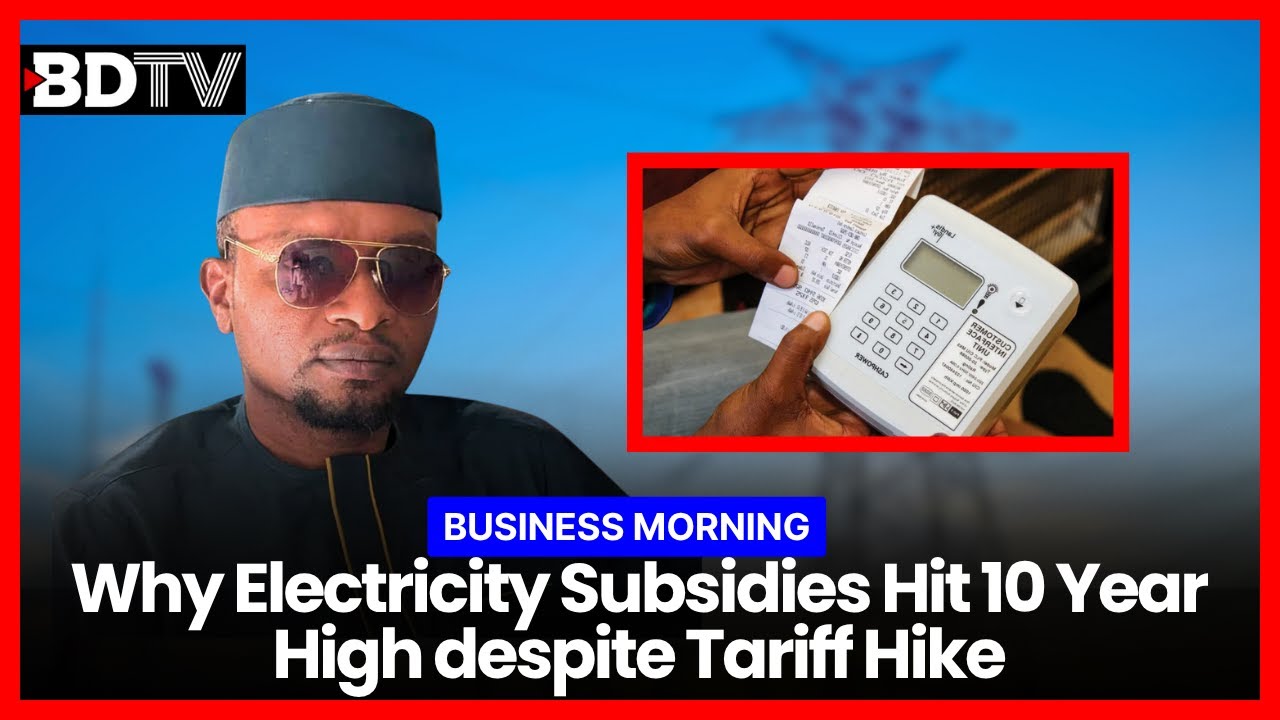
Are you wondering why Nigeria's electricity subsidies have hit a shocking 10-year high, even after recent tariff hikes? We delve deep into the complex factors driving this unprecedented surge, exposing ...the hidden costs and policy dilemmas plaguing the nation's power sector. From the dramatic devaluation of the Naira and its impact on power generation costs to the intricate web of government policies and frozen tariffs, we uncover the full story.

Our investigation reveals that while a tariff hike for Band A customers was implemented, intended to reduce the financial burden on the government, it was a case of "too little, too late." The Nigerian Electricity Regulatory Commission (NERC) reports show that the overall electricity subsidy bill skyrocketed to a historic N1.94 trillion in 2024, marking the highest level in a decade. This isn't just a number; it reflects the deepening fiscal strain on Nigeria's power sector and the persistent struggle to provide reliable electricity to millions.

A key culprit is the Federal Government's directive to freeze electricity tariffs for most customer categories at December 2022 levels. This policy has created a massive and unsustainable "subsidy gap". As inflation and foreign exchange (FX) volatility dramatically pushed up the actual cost-reflective tariffs – the true cost of generating and delivering power – the prices most consumers pay remained artificially low. This means the government is essentially paying the difference, resulting in ballooning subsidy obligations. We examine how the floating of the Naira has made imported equipment and gas feedstock significantly more expensive, directly contributing to this problem.

Furthermore, we explore the systemic inefficiencies within the power sector. From low generation capacity and frequent grid collapses to high Aggregate Technical, Commercial, and Collection (ATC&C) losses, these underlying issues exacerbate the financial crisis. Distribution Companies (DisCos) struggle with revenue collection and unpaid invoices, leading to a continuous accumulation of debt owed to Generation Companies (GenCos). This lack of liquidity cripples investment in critical power infrastructure and perpetuates the cycle of poor power supply.

For the average Nigerian, this translates to paying more while still experiencing unreliable electricity. Businesses, especially small and medium enterprises (SMEs) and manufacturers, face crippling production costs, driving many to rely on expensive alternative energy sources. We discuss the concept of "electricity elitism," where those in Band A pay significantly more, but even they often don't receive the promised hours of supply, while other bands are left in prolonged darkness.

#nigeria #electricity #nerc #powersector
Show More
Tax Act 2025 : FG Moves to close compliance gaps
Now Playing
Tax Act 2025 : FG Moves to close compliance gaps
Nigeria's financial landscape is undergoing a monumental shift with ...
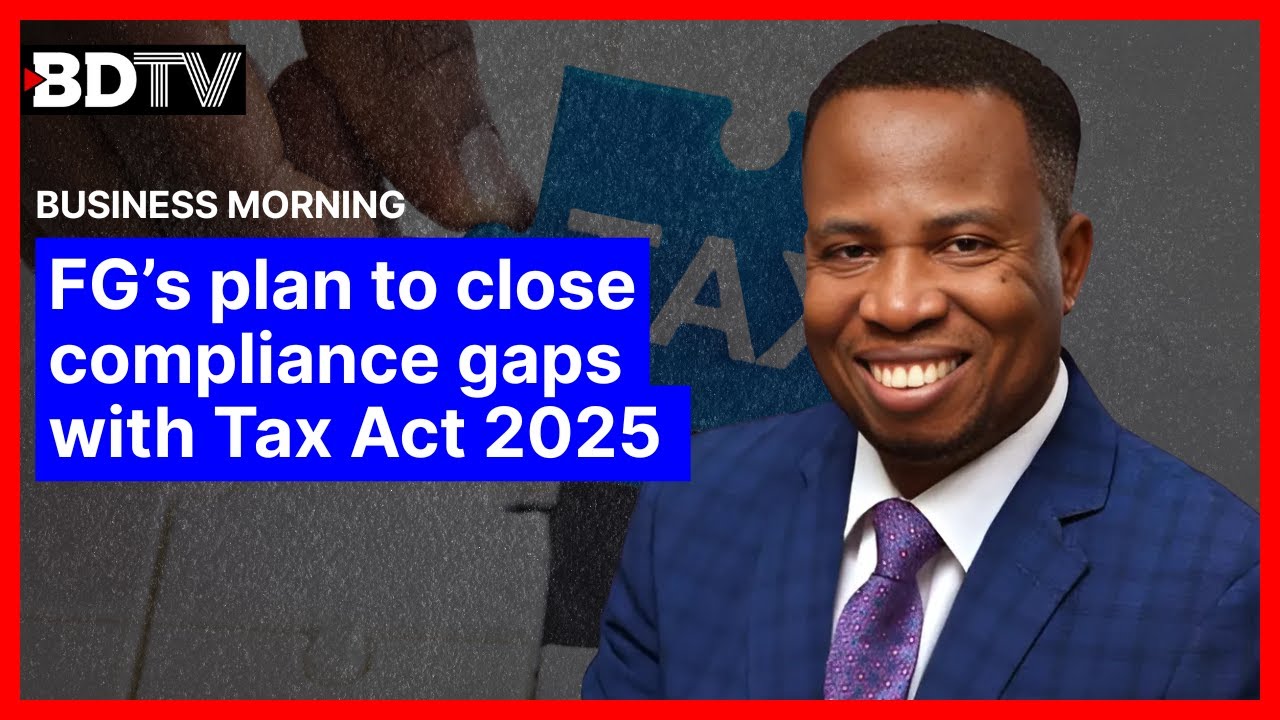
Nigeria's financial landscape is undergoing a monumental shift with the signing of the Tax Acts 2025. The Federal Government is aggressively moving to close compliance gaps and enhance revenue generation, ...making it crucial for every Nigerian, business owner, and investor to understand these sweeping reforms. This video breaks down the core changes, why they matter, and how they will impact you directly.

The Nigeria Tax Act 2025 consolidates multiple legacy laws like CITA, PITA, CGTA, and VAT Act into a single, unified statute, aiming to simplify the system but also broaden the tax net. Key provisions include a new definition for small companies (exempt from CIT), an increased Capital Gains Tax rate for companies, and the introduction of a consolidated Development Levy. We'll explore the implications of the Minimum Effective Tax Rate (ETR) for multinational groups and large Nigerian companies, aligning Nigeria with global tax reforms (OECD BEPS Pillar 2).

The Nigeria Tax Administration Act 2025 (NTAA) is a game-changer for enforcement. It mandates a Taxpayer Identification Number (TIN) for all taxable persons, including non-resident suppliers for VAT purposes, pushing for digital tax filing and incorporating virtual asset service providers (VASPs) into the tax net. You'll learn about the new transaction threshold reporting for financial institutions and how these measures aim to reduce tax evasion and informal sector activity.

Furthermore, the video delves into the establishment of the Nigeria Revenue Service (NRS), replacing FIRS, and the Joint Revenue Board (JRB), fostering better inter-governmental coordination and dispute resolution mechanisms like the Tax Appeal Tribunal and Office of the Tax Ombudsman. These reforms signal a strong commitment from the FG to build a robust, transparent, and efficient tax system.

#Nigeria #Tax #economy
Show More
FG's debt to GenCos hits N1.2 trillion in H1.
Now Playing
FG's debt to GenCos hits N1.2 trillion in H1.
Nigeria's electricity sector is on the brink of collapse as the ...
Nigeria's electricity sector is on the brink of collapse as the Federal Government's debt to Generation Companies (Gencos) skyrocketed to an alarming N1.2 trillion in the first half of 2025 ...alone. This new figure adds to an existing staggering total, bringing the overall arrears owed to Gencos to over N5 trillion.

This video breaks down the devastating impact of this colossal debt on Nigeria's power supply. We'll explore:

The shocking debt figures: How did the FG's debt to Gencos reach N1.2 trillion in just six months, and what does the N5 trillion total mean for the industry?

Why Gencos are struggling: Understand the challenges faced by power generation companies, including insufficient payments, erratic gas supply, and crippling forex volatility, which make it impossible to maintain operations and invest.

The ripple effect on Nigerians: Discover how this liquidity crisis directly translates to consistent power outages, increased cost of doing business, and a looming threat of a nationwide blackout.

Government's promises vs. reality: We'll examine past pledges to clear the debts and why current budgetary allocations fall woefully short of what's needed.

What lies ahead for Nigeria's power sector? Is there a sustainable solution to this recurring debt crisis, and what steps are being taken (or not taken) to prevent a complete shutdown?

This is not just about numbers; it's about the daily struggles of millions of Nigerians who rely on a stable power supply. The persistent underpayment to Gencos undermines the entire electricity value chain, from gas suppliers to transmission and distribution. It discourages much-needed investment and signals instability to both local and international partners. Join us as we uncover the truth behind Nigeria's escalating power crisis and its profound implications for the nation's economy and its citizens.

#electricity
Show More
Senate Okays Tinubu's $21 Billion Foreign Loan
Now Playing
Senate Okays Tinubu's $21 Billion Foreign Loan
The Nigerian Senate has just approved President Bola Tinubu's ...
The Nigerian Senate has just approved President Bola Tinubu's controversial request for over $21 billion in foreign loans for the 2025-2026 fiscal cycle! What does this massive $21 billion loan ...mean for the future of Nigeria's economy and every citizen?

In this in-depth analysis, we break down the specifics of this monumental external borrowing plan. Discover where the funds are designated – from infrastructure and agriculture to security and human capital development. While proponents argue it's crucial for funding the 2025 Appropriation Act and driving development, concerns are mounting about Nigeria's rising debt burden and the long-term implications.

We'll explore the arguments for and against this Tinubu foreign loan, dissecting the varying perspectives from lawmakers and economic analysts. Is this a necessary step for national development, or does it push Nigeria debt to unsustainable levels? How will this impact the average Nigerian, and what are the potential risks and opportunities?

This video is essential viewing for anyone concerned about Nigerian politics, the nation's financial stability, and the impact of large-scale Senate approvals on our collective future. Don't miss this crucial update on one of the most significant financial decisions facing Nigeria today.

What are your thoughts on this $21 billion loan approval? Share your opinions in the comments below!

#nigeria #tinubu #loan
Show More
STATE AND FUTURE OF LOGISTICS IN NIGERIA
Now Playing
STATE AND FUTURE OF LOGISTICS IN NIGERIA
We dive deep into the state and future of the logistics business in ...
We dive deep into the state and future of the logistics business in Nigeria, revealing exactly how to start a logistics business in Nigeria and tap into this booming sector. ...Whether you're an aspiring entrepreneur, a business owner looking to diversify, or an investor seeking high-growth opportunities, this comprehensive guide is for you!

Dr Onyeka Micheal
Business/ Logistics Expert

Discover the current landscape of the logistics company in Nigeria, its rapid growth fueled by e-commerce and urbanization, and the significant investment opportunities it presents. We'll cover everything from the essential requirements for a delivery business in Nigeria, including the cost of bike delivery business in Nigeria 2025, to in-depth insights on how profitable logistics is in Nigeria 2025. Learn the secrets of making money in the transport business and explore profitable delivery business ideas for Nigeria. This isn't just theory; we're sharing actionable strategies on how to start a transport business in Nigeria and potentially how to make ₦1 million monthly in logistics! Stay ahead of the curve with insights into the logistics business in Nigeria 2025 trends, including digitalization, sustainability, and the role of 3PL providers. We even touch on the impact of the COVID-19 pandemic on the sector and current events highlighted by Channels Television and other top African news outlets.

#logistics #business #nigeria
Show More
Nigerians can't afford to eat as Food Prices EXPLODE in June 2025
Now Playing
Nigerians can't afford to eat as Food Prices EXPLODE in June 2025
Nigerians, are you feeling the pinch? In June 2025, food prices across ...
Nigerians, are you feeling the pinch? In June 2025, food prices across the country surged, pushing many households to the brink. This video breaks down the shocking new data from ...the National Bureau of Statistics (NBS) and reveals why staple foods are becoming unaffordable for millions.

We delve into the specific items hit hardest – from green peas to fresh meat – and uncover the real reasons behind this relentless increase: insecurity in food-producing regions, crippling transportation costs, and persistent supply chain issues. Discover which states are bearing the brunt of this food crisis and what it means for the average Nigerian family.

This isn't just about statistics; it's about the daily struggle to feed your family. What can be done? Join the conversation and share your experiences.

#nigeria #tinubu #food
Show More
How Fintech Companies disrupt Nigeria's financial sector and impact the economy
Now Playing
How Fintech Companies disrupt Nigeria's financial sector and impact the economy
Nigeria's financial landscape is undergoing a radical transformation, ...
Nigeria's financial landscape is undergoing a radical transformation, and FinTech companies are at the forefront of this revolution! Discover how these innovative firms are disrupting traditional banking, increasing financial inclusion ...for millions, and significantly impacting the Nigerian economy.

From mobile payments to digital lending and investment platforms, FinTech is democratizing access to financial services, especially for the previously unbanked and underserved. We'll explore the key players, their game-changing solutions, and the challenges they face in a rapidly evolving market. Learn about the shift to a cashless economy, the rise of agency banking, and how traditional banks are adapting (or struggling) to keep up.

#fintech #money #banking
Show More
Micro Pensions struggle as pressure weighs on Potential Contributors
Now Playing
Micro Pensions struggle as pressure weighs on Potential Contributors
Are micro pensions really failing in Nigeria and other developing ...
Are micro pensions really failing in Nigeria and other developing countries? The numbers are shocking, and the implications for millions are even more so. we uncover the hidden pressures weighing ...down potential contributors and reveal the stark reality of retirement security for the informal sector.

Join us as we dive deep into the challenges faced by micro pension schemes, from unstable incomes and the rising cost of living to a lack of trust and financial literacy. We'll expose the reasons why schemes designed to protect the most vulnerable are struggling to gain traction and what this means for your financial future.

Don't let your golden years be a burden. Understand the systemic issues and discover potential solutions. This isn't just about pensions; it's about the future of millions.
Show More
Women as Economic Drivers : Lagos Strategic Empowerment Agenda
Now Playing
Women as Economic Drivers : Lagos Strategic Empowerment Agenda
The Lagos State Government has just launched a ground-breaking ...
The Lagos State Government has just launched a ground-breaking strategic empowerment agenda, positioning Nigerian women as crucial economic drivers. This in-depth report breaks down the key pillars of this initiative, ...including enhanced financial inclusion for women, vital skill acquisition programs, and improved access to markets for female-led businesses in Lagos.

Are you a Nigerian female entrepreneur looking for opportunities? An SME owner in Lagos struggling to scale? This video reveals how Governor Sanwo-Olu's administration plans to support thousands of women, providing the tools and resources to not just survive, but thrive economically. We delve into the proposed micro-credit schemes, vocational training opportunities, and market linkage initiatives that will empower women across various sectors, from informal traders to tech startups.

Join us as we analyze the potential impact of this Lagos women empowerment program on poverty alleviation, job creation, and the overall economic development of Nigeria. We also feature insights from economic analysts and share the inspiring stories of women already benefiting from similar initiatives. Don't miss out on this vital information that could shape your financial future!
Show More
1 of 11
Facebook Twitter Youtube